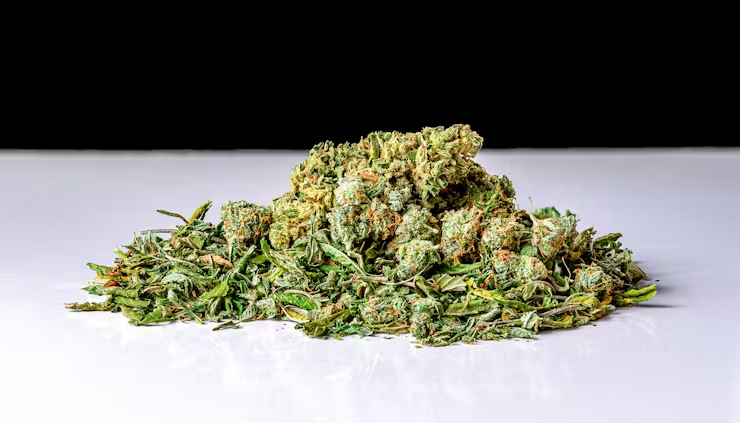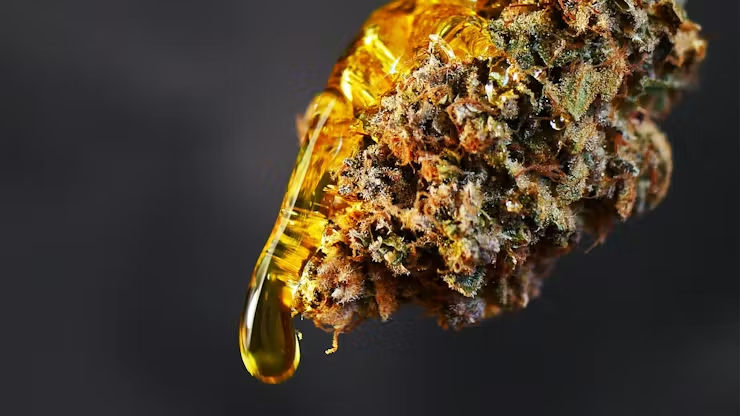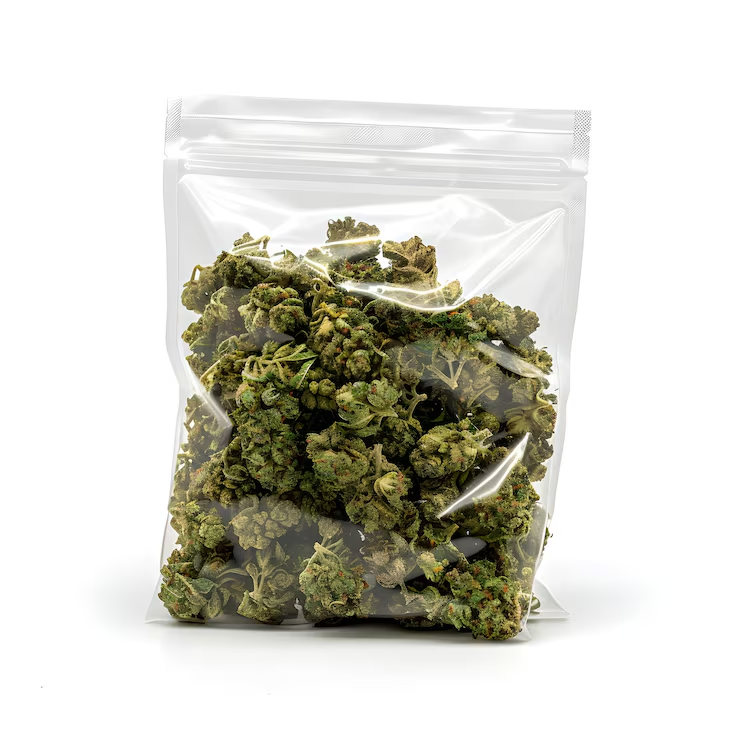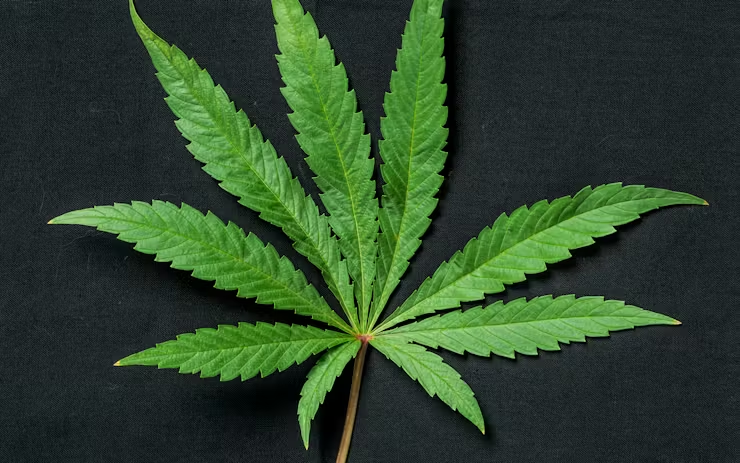
Bubble hash represents one of the purest, most potent cannabis concentrates available—a solventless extraction that preserves the full spectrum of cannabinoids and terpenes while removing plant material. Named for the way it bubbles when exposed to flame, this ice water hash delivers exceptional quality that rivals or exceeds solvent-based concentrates without chemical processing. Understanding what makes […]
Category Archives: Strain Guides
Popcorn weed occupies an interesting middle ground in cannabis markets—smaller than premium display buds but significantly more appealing than trim or shake. These B-grade nuggets, roughly popcorn-sized as the name suggests, offer savvy consumers an opportunity to access quality genetics and comparable potency at substantially reduced prices. Understanding what these smaller buds represent helps consumers make […]
Pinene terpene effects represent some of the most therapeutically promising properties found in cannabis aromatics. This compound, which smells distinctly like a forest of pine trees, offers far more than pleasant fragrance—it may provide anti-inflammatory benefits, support respiratory function, reduce anxiety, and even counteract certain unwanted effects of THC. Understanding how this terpene works helps consumers […]
Limonene terpene stands as one of cannabis’s most recognizable aromatic compounds, delivering the bright citrus scents associated with lemon-scented strains while potentially offering significant therapeutic benefits. This fragrant oil, secreted in the flower’s resin glands alongside cannabinoids like THC and CBD, does far more than simply determine a strain’s smell—it may fundamentally modify effects and contribute […]
If you have been exploring the world of cannabis compounds beyond THC and CBD — what is THCv is one of the most fascinating questions you can ask. Tetrahydrocannabivarin — THCv — is a minor cannabinoid naturally occurring in cannabis that is gaining significant attention for its unique properties and potential benefits. Non-psychoactive in lower […]