
Cannabis Education, Dispensary News & Deals, Lifestyle & Wellness, Product Reviews, Strain Guides
Shake Weed: Understanding Cannabis Shake and Its Value
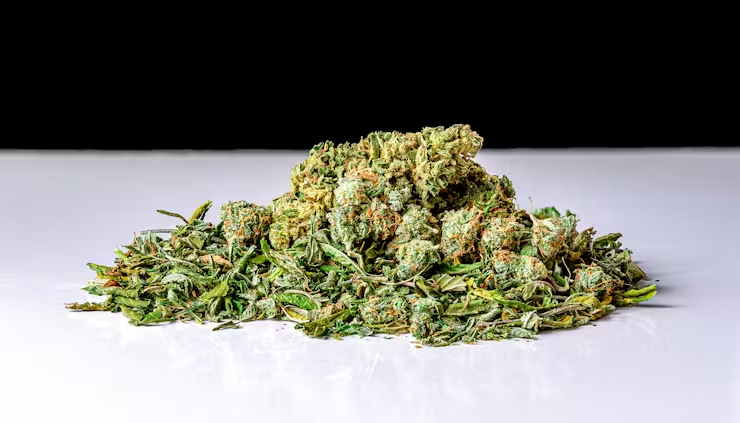
Shake weed represents one of the most misunderstood and underutilized cannabis products available at dispensaries—often dismissed as inferior despite frequently matching the potency of premium buds at significantly lower prices. Understanding what separates quality shake from actual low-grade material helps budget-conscious consumers access the same genetics and effects they love for 30-50% less money.
This guide explores the realities of cannabis shake, dispelling common myths while providing practical strategies for identifying value purchases. Whether you’re looking to maximize your cannabis budget, exploring options for making edibles, or simply curious about this often-overlooked product category, understanding shake fundamentals transforms how you approach dispensary shopping.
Defining Shake Weed
Shake weed consists of the small cannabis flower fragments that naturally separate from larger buds through normal handling, packaging, and storage processes.
Natural Formation Process
Every time cannabis gets handled—whether during harvest, trimming, packaging, or simply sitting in a jar—tiny pieces break away from the main bud structure. These fragments accumulate at the bottom of containers, creating what the industry calls shake.
Key Point: Shake isn’t a separate plant product or lower quality by nature—it’s literally pieces of the same buds sold as premium flower.
What Shake Contains
Quality shake consists of:
- Small bud fragments from larger colas
- Sugar leaf pieces that broke off during handling
- Trichomes that fell from buds (kief mixed in)
- Small stems (unavoidable but should be minimal)
The composition determines quality. Shake that’s primarily bud fragments with kief offers excellent value. Shake that’s mostly stem and fan leaf does not.
Size Characteristics
Typical Particle Size:
- Smaller than popcorn buds
- Larger than kief or powder
- Roughly the consistency of coarsely ground flower
- Often includes some recognizable small bud pieces
Already Ground Advantage:
The pre-broken consistency means shake requires no grinding before rolling joints or packing bowls—a genuine convenience factor many consumers appreciate.
How Cannabis Shake Forms
Understanding formation helps explain why it shouldn’t automatically carry negative connotations.
During Harvest and Processing
Trimming:
When cultivators trim fresh-harvested plants, small pieces inevitably break off. These fragments are often collected separately from the main buds.
Handling:
Moving buds from drying racks to curing jars to packaging containers creates multiple opportunities for small pieces to separate.
Transportation:
Shipping flower from cultivation facilities to testing labs to dispensaries involves movement and vibration that loosens material.
At the Dispensary
Storage Jars:
Dispensaries store flower in large jars that get opened dozens of times daily. Each opening, each bud removed, creates more shake at the bottom.
Weighing:
Repeatedly scooping flower for customer purchases agitates buds, accelerating breakdown.
Time:
The longer flower sits in storage, the more shake accumulates—which is why older inventory batches often have more shake available.
In Your Personal Stash
Home Storage:
Your personal jar experiences the same process. Opening it repeatedly, handling buds, and environmental factors all contribute to shake formation at the bottom.
Consumption:
As you work through your purchase, shake naturally accumulates from the buds you’ve been breaking up.
Kief Content Variable
Potential Potency Boost:
When shake includes kief that also fell from buds, it can actually be more potent than the original flower. Kief is concentrated trichomes—pure cannabinoids and terpenes.
Visual Indicator:
Quality shake often has a frosty appearance from kief mixed throughout. This is a positive sign, not negative.
Quality Shake vs Low-Grade Shake
Not all shake offers equal value—quality varies dramatically.
Premium Shake Characteristics
Source Matters:
High-quality shake comes from premium genetics and careful cultivation.
Visual Quality:
- Recognizable small bud pieces
- Abundant trichome coverage (frosty appearance)
- Vibrant green color (strain-appropriate hues)
- Minimal stem content
- Fresh, not dried out
Aroma:
- Strong, pleasant strain-specific scent
- Terpene-forward (not hay-like or musty)
- Indicates freshness and proper storage
Texture:
- Slightly sticky (resinous)
- Not bone dry or crumbling to dust
- Proper moisture content maintained
Potency:
- Should match or closely approximate the source buds
- Lab testing confirms cannabinoid levels
- Delivers expected effects
Low-Grade Shake Indicators
Poor Source Material:
Some “shake” is actually:
- Trim (leaf material, not bud fragments)
- Sweepings from cultivation floor
- Mixed strains of unknown origin
- Very old, degraded material
Visual Red Flags:
- Excessive stem content
- Brown or faded color
- Leaf material dominating
- Seeds present
- Dusty, powdery consistency
Aroma Issues:
- Weak or absent smell (terpenes degraded)
- Hay or grass smell (improper cure or age)
- Musty odor (potential mold)
Texture Problems:
- Completely dry and brittle
- Turns to powder when touched
- No stickiness whatsoever
Potency Concerns:
- Significantly weaker effects than expected
- Harsh smoke despite proper consumption
- Minimal cannabinoid content
The Dispensary Factor
Reputable Sources:
Quality dispensaries offer shake from the same premium genetics they sell as whole buds. It’s genuinely just the pieces from those buds.
Questionable Sources:
Less scrupulous operations may sell low-quality material as “shake” when it’s actually inferior trim or mixed low-grade flower.
How to Verify:
Ask budtenders directly: “Is this shake from [specific strain], or is it mixed?” Quality establishments will answer honestly and provide details about sourcing.
Shake Weed vs Trim Explained
These terms get confused but describe different materials.
Shake Definition Review
What It Is:
Small pieces of cannabis flower that broke off from larger buds during handling and storage.
Composition:
Primarily bud fragments, some sugar leaves, minimal stems, often with kief mixed in.
Origin:
Forms naturally after harvest, during storage and handling.
Cannabinoid Content:
Should be comparable to the source buds—if shake comes from 24% THC flower, it should test around 20-24% THC.
Trim Definition
What It Is:
Plant material removed during the trimming process after harvest—specifically the parts cut away from buds.
Composition:
- Sugar leaves (small leaves near buds, covered in trichomes)
- Fan leaves (large leaves, minimal trichomes)
- Stems
- Small flower chunks that got trimmed off
Origin:
Created intentionally during manicuring/trimming, not through natural breakdown.
Cannabinoid Content:
Variable—sugar leaves can be moderately potent (10-15% THC), but fan leaves are very low potency (1-3% THC).
Key Differences
| Feature | Shake | Trim |
|---|---|---|
| Origin | Natural breakdown | Intentional removal during trimming |
| Composition | Bud pieces + kief | Leaves + stems + some flower |
| Potency | High (matches source buds) | Variable (sugar leaves moderate, fan leaves low) |
| Best Use | Smoking, vaping, edibles, extraction | Edibles, extraction (not ideal for smoking) |
| Price | Moderate discount (20-40% less than buds) | Heavy discount (50-70% less) |
| Quality | Can be excellent | Rarely premium |
Mislabeling Issue
Common Problem:
Some sellers label trim as “shake” to command higher prices.
How to Spot It:
- Examine material visually
- Shake has recognizable bud pieces; trim is leafy
- Ask about composition directly
- Check for excessive stem and leaf content
Protect Yourself:
Buy from reputable dispensaries that clearly distinguish between shake and trim, providing accurate labeling and honest descriptions.
Potency Considerations
Understanding shake’s strength prevents unrealistic expectations.
Theoretical Potency
Same Genetics = Same Potency:
In theory, shake from 25% THC buds should also be around 25% THC because it’s literally pieces of those same buds.
Reality Check:
Actual potency often ranges slightly lower due to:
- Age (older material has had more time for cannabinoid degradation)
- Exposure (more surface area exposed to air and light)
- Kief loss (some trichomes may have fallen off and not been included)
Practical Range:
If source buds are 25% THC, shake typically tests 20-25% THC—still very potent.
Kief Factor
Potency Boost Potential:
When kief that fell from buds gets included with shake, it can actually increase potency above the source flower.
Visual Confirmation:
Frosty, crystalline appearance indicates kief presence—a positive sign for potency.
Why This Matters:
Some consumers dismiss shake as “less potent” when it’s actually comparable or stronger. Testing and experience prove this.
Degradation Concerns
Time Factor:
Shake often comes from inventory that’s been sitting longer. Cannabinoids degrade over time, especially with air exposure.
Proper Storage Mitigates:
Well-stored shake from fresh harvests maintains potency excellently.
Check Dates:
Package or harvest dates help assess freshness. Shake from recent harvests offers better potency than year-old material.
Testing Confirmation
Lab Results:
Reputable dispensaries provide test results for shake just like whole flower.
Verify Before Buying:
Check COAs (Certificates of Analysis) showing:
- THC percentage
- CBD and other cannabinoids
- Terpene profile
- Contaminant screening
Comparison:
Compare shake test results to whole flower results from the same strain and grower.
Best Applications for Shake
Certain uses maximize shake’s advantages.
Rolling Joints and Blunts
Perfect Application:
Shake’s pre-ground consistency makes rolling incredibly easy.
Advantages:
- No grinding required (saves time and effort)
- Distributes evenly in papers
- Rolls consistently
- Saves money without sacrificing effects
Technique:
Simply load shake into papers or wraps and roll normally. The consistency facilitates even rolling better than whole buds for some people.
Packing Bowls and Bongs
Equally Effective:
Shake works identically to ground flower in pipes and water pieces.
Considerations:
- May burn slightly faster than whole flower
- Use screens to prevent pulling material through
- Pack lightly rather than densely
Vaporizing
Dry Herb Vaporizers:
Most vaporizers work excellently with shake.
Benefits:
- Pre-ground consistency is ideal for vapes
- Even heating and extraction
- Full flavor if shake is fresh and quality
Caution:
Very fine shake might pull through some vape screens. Check your device’s chamber design.
Making Edibles
Ideal Use Case:
When making cannabutter, oil, or other infusions, you’re grinding flower anyway—so shake’s pre-broken state is perfect.
Cost Efficiency:
Using shake for edibles saves substantial money. Why pay premium prices for buds you’re going to grind and cook?
Potency:
Quality shake produces equally potent edibles as whole flower when using identical amounts.
Process:
Decarboxylate shake just like regular flower (220°F for 30-40 minutes), then infuse into butter, oil, or other carriers.
Extraction and Concentrates
Home Extraction:
Shake works excellently for:
- Rosin pressing
- Dry sift hash
- Bubble hash
- Tinctures
Professional Extraction:
Many commercial concentrates use trim and shake as source material. It’s a standard industry practice for creating quality extracts.
When Whole Flower is Better
Special Occasions:
Premium buds offer superior aesthetics for showing guests or special sessions.
Maximum Flavor:
Freshly ground whole flower sometimes provides slightly better terpene expression than shake (which has had more air exposure).
Personal Preference:
Some consumers simply enjoy the ritual of breaking up beautiful buds. That’s valid too.
Pricing and Value Analysis
Understanding economics helps identify good deals.
Typical Pricing
Shake Discounts:
Generally 30-50% less than whole flower of the same strain.
Example Pricing:
| Product | Whole Flower | Shake | Savings |
|---|---|---|---|
| Budget Tier | $100/oz | $60-70/oz | $30-40 |
| Mid Tier | $200/oz | $120-140/oz | $60-80 |
| Premium | $300/oz | $180-210/oz | $90-120 |
Value Calculation
Cost Per Gram:
Whole Flower Example:
- Eighth (3.5g) at $35 = $10/gram
- Ounce (28g) at $200 = $7.14/gram
Shake Example:
- Eighth (3.5g) at $25 = $7.14/gram
- Ounce (28g) at $120 = $4.29/gram
Savings: $2.85-$5.71 per gram
Monthly Impact:
If you consume 1g daily:
- Premium flower: $214-$300/month
- Quality shake: $129-$150/month
- Savings: $85-$150/month
When Shake weed Isn’t Worth It
Poor Quality:
Extremely cheap shake ($40-50/oz in premium markets) likely indicates:
- Very old material
- Low-quality genetics
- Trim mislabeled as shake
- Not worth it at any price
Small Quantity Purchases:
The discount on single grams or eighths might be minimal ($2-3). For small amounts, the price difference doesn’t matter much.
Special Strains:
If trying a new exotic strain, buying whole flower first lets you assess quality before committing to shake versions.
Maximum Value Strategy
Know Your Favorites:
Once you’ve confirmed you enjoy a strain from a particular grower, buying their shake version of that strain offers maximum value—same experience, lower cost.
Bulk Buying:
Shake discounts become most significant at ounce quantities.
Seasonal Opportunities:
Post-harvest sales (October-December) sometimes offer exceptional shake pricing as dispensaries move inventory.
How to Identify Quality Shake
Visual inspection and smart questions prevent bad purchases.
Pre-Purchase Inspection
Ask to See It:
Many dispensaries allow examining shake before purchase.
Look For:
- Small bud pieces (not just powder or leaf)
- Trichome coverage (frosty appearance)
- Appropriate color for the strain
- Minimal large stems
- Fresh, not ancient-looking
Smell Test:
If allowed, smell should be:
- Strong and pleasant
- Strain-specific characteristics evident
- Not hay-like, musty, or absent
Questions to Ask Budtenders
Strain Verification:
“Is this shake from [specific strain], or is it mixed from various strains?”
Source Confirmation:
“Is this from the same grower/batch as the whole flower version?”
Age Question:
“When was this packaged/harvested?”
Quality Assurance:
“Is this shake or trim?”
Testing Info:
“Do you have lab results showing potency?”
Package Examination
If Pre-Packaged:
- Check package date (fresher is better)
- Look through clear packaging if possible
- Verify weight is as labeled
- Ensure seal is intact
Avoid:
- Packages sitting on shelves for months
- Damaged or resealed packaging
- Products with no strain information
- “Mystery shake” with unknown origin
Brand Recognition
Stick with Known Growers:
If you’ve enjoyed whole flower from a specific cultivator, their shake likely maintains quality.
Avoid Unknown Sources:
Random, unbranded shake often disappoints.
Storage Best Practices
Proper storage prevents quality degradation.
Optimal Conditions
Container:
Glass mason jars with airtight seals (best option)
Temperature:
60-70°F (15-21°C)—avoid heat and avoid refrigerators
Humidity:
58-62% RH—use humidity control packs (Boveda, Integra Boost)
Light:
Complete darkness—UV degrades cannabinoids and terpenes rapidly
Air Exposure:
Minimize opening frequency
Shake weed-Specific Considerations
Higher Surface Area:
Shake has more surface area exposed to air than whole buds, accelerating degradation if improperly stored.
Humidity Critical:
Shake dries out faster than whole flower. Humidity packs are especially important.
Consume Promptly:
While whole flower stays fresh for months, shake is best consumed within 4-8 weeks for peak quality.
Reviving Dry Shake
If It’s Too Dry:
- Add humidity pack for 12-24 hours
- Alternatively, place small piece of citrus peel in jar for 2-4 hours (monitor closely to prevent mold)
- Remove moisture source once proper humidity restored
Don’t Over-Moisten:
Excess moisture risks mold growth.
Frequently Asked Questions
What is shake weed and is it worth buying?
Shake weed consists of small cannabis flower fragments that naturally break away from larger buds during handling, packaging, and storage. It’s worth buying when sourced from reputable dispensaries offering shake from quality genetics—you get the same strain and comparable potency for 30-50% less money. Quality shake shows recognizable bud pieces, trichome coverage, strong aroma, and delivers effects matching the source flower. Avoid shake that’s primarily leaf material, excessively dry, or lacks strain information. For edibles, joints, and budget-conscious consumption, quality shake offers excellent value.
What’s the difference between shake weed and trim?
Shake weed is small pieces of cannabis flower that broke off from larger buds naturally, while trim is plant material (leaves and stems) intentionally cut away during the manicuring process. Shake consists primarily of bud fragments with comparable potency to whole flower (often 20-25% THC). Trim is mostly sugar leaves and stems with variable, generally lower potency (10-15% THC for sugar leaves). Shake works well for smoking; trim is better suited for edibles or extraction only. Some sellers mislabel trim as shake—examine material for recognizable bud pieces versus leafy content.
Is shake good weed or low quality?
Shake can be excellent quality or poor quality depending on source. High-quality shake from reputable growers using premium genetics delivers the same effects as whole flower at lower prices. It’s literally pieces of those same buds. Poor-quality shake from questionable sources may be old material, trim mislabeled as shake, or mixed low-grade flower. Quality indicators include: recognizable bud pieces, abundant trichomes, strong aroma, recent packaging dates, and potency testing comparable to source strain. The “shake = bad” perception is a misconception when dealing with quality sources.
How do you make weed butter with shake?
Make weed butter with shake by first decarboxylating: spread shake on parchment-lined baking sheet, bake at 220°F for 30-40 minutes until lightly golden. Then combine decarbed shake with melted butter and water in saucepan, simmer on lowest heat for 2-3 hours, strain through cheesecloth, refrigerate until butter solidifies, and discard water beneath. Shake works excellently for cannabutter since you’d grind flower anyway—using shake instead of whole buds saves money without sacrificing potency. Use 7-14 grams shake per cup of butter depending on desired strength.
Are weed shakes dangerous?
Weed shakes are not dangerous—the term refers to small cannabis flower pieces, not a health condition. Quality shake from licensed dispensaries undergoes identical testing to whole flower for contaminants, pesticides, and mold. The “shakes” terminology sometimes causes confusion with physical tremors, but there’s no connection. Cannabis shake poses no unique dangers compared to regular flower when purchased from reputable sources. Always buy tested products from licensed dispensaries to ensure safety. The only risks come from consuming any cannabis (overconsumption, impaired activities) not from shake specifically.
How should you store shake weed?
Store shake weed in airtight glass mason jars with humidity control packs (58-62% RH) in cool (60-70°F), dark locations. Minimize opening frequency to reduce air exposure. Shake has more surface area than whole buds so it dries out faster—humidity packs are especially important. Consume within 4-8 weeks for peak quality, though proper storage extends viability to several months. Avoid plastic bags long-term as static pulls trichomes off. Check periodically for proper moisture—shake that’s too dry becomes harsh, while excess moisture risks mold.