
Cannabis Education, Dispensary News & Deals, Lifestyle & Wellness, Product Reviews, Strain Guides
How Long Do Edibles Take to Kick In — Complete Guide
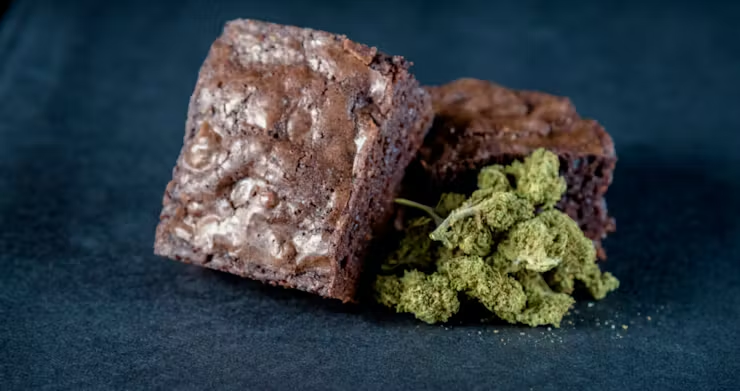
How long does it take for edibles to kick in is the single most important question new cannabis consumers ask — and for good reason. Understanding edible timing prevents the most common mistake that leads to uncomfortable experiences: taking more before the first dose kicks in.
The answer isn’t simple. Edible onset varies dramatically based on product type, your metabolism, what you’ve eaten, and numerous other factors. Some edibles work within 15 minutes while others require two hours or more. This comprehensive guide explains everything that influences timing, helping you predict when effects will arrive and avoid the anxiety of wondering if your edibles are working.
How Long Do Edibles Take to Kick In?
The standard answer most sources provide is 45-60 minutes, but reality proves far more complex.
General Timing Guidelines
Most Common Range: 30-90 minutes
Possible Range: 15 minutes to 3+ hours
Average Experience: 45-75 minutes
Why Such Variation?
Unlike smoking or vaping, where effects arrive within minutes and vary little between individuals, edibles depend on digestion and metabolism — processes that differ significantly from person to person.
Your edible might kick in at 30 minutes while your friend consuming the identical product at the same time doesn’t feel effects for 90 minutes. Both experiences are completely normal.
Peak Effects Timing
Even after initial onset, edibles continue intensifying:
Onset: First noticeable effects
Peak: Maximum intensity (typically 2-4 hours after consumption)
Duration: Total effect length (4-8+ hours depending on dose)
Many consumers mistake initial onset for peak effects and consume more, not realizing the experience will continue intensifying for hours.
Why Edibles Take Longer Than Smoking
Understanding the physiological differences explains timing variation.
Smoking and Vaping
When you inhale cannabis smoke or vapor:
- Cannabinoids enter lungs
- Pass directly into bloodstream
- Travel to brain within seconds
- Effects manifest in 2-10 minutes
This route bypasses the digestive system entirely, creating nearly immediate effects.
Eating Cannabis
When you consume edibles:
- Product enters stomach
- Begins breaking down through digestion
- Cannabinoids absorbed in small intestine
- Travel to liver via portal vein
- Liver metabolizes THC into 11-hydroxy-THC
- Metabolites enter bloodstream
- Cross blood-brain barrier
- Effects finally manifest
This complex process requires significantly more time than direct lung absorption.
The Liver’s Role
The liver doesn’t just slow things down — it fundamentally changes the experience. THC converts to 11-hydroxy-THC during first-pass metabolism, creating a compound that:
- Crosses the blood-brain barrier more efficiently
- Produces stronger psychoactive effects
- Lasts significantly longer
- Feels qualitatively different from smoked cannabis
This explains why the same amount of THC feels more intense when eaten versus smoked.
Why This Matters
The delayed onset and increased potency create the perfect conditions for overconsumption. Consumers feel nothing after 30 minutes, assume the edible isn’t working, take more, then get hit with both doses simultaneously.
Factors That Impact Edible Onset Time
Numerous variables influence how long does it take for edibles to kick in for any individual.
Your Metabolism
Fast Metabolism:
- Processes edibles more quickly
- Effects arrive sooner (potentially 30-45 minutes)
- Peak effects may be less intense but arrive faster
- Duration may be slightly shorter
Slow Metabolism:
- Takes longer to process edibles
- Effects delayed (potentially 90+ minutes)
- May experience stronger peak effects
- Longer duration
Your baseline metabolism depends on genetics, age, activity level, and overall health.
Body Weight and Composition
Higher Body Weight:
- May require larger doses for equivalent effects
- Timing can be slightly delayed
- Fat tissue stores THC differently
Lower Body Weight:
- Smaller doses produce effects
- Timing varies but potency relative to dose increases
Body Fat Percentage:
- THC is fat-soluble
- Higher body fat may influence how cannabinoids distribute
- Effects on timing are complex and individual
Stomach Contents
This factor dramatically impacts onset time.
Empty Stomach:
- Faster absorption
- Quicker onset (30-45 minutes possible)
- More intense peak
- Potentially uncomfortable intensity
Full Stomach:
- Slower absorption
- Delayed onset (90-120+ minutes possible)
- More gradual buildup
- Smoother, more comfortable experience
With Fatty Foods:
- Cannabinoids bind to dietary fats
- Absorption may improve
- Timing becomes less predictable
Cannabis Tolerance
No Tolerance:
- Effects from small doses
- Timing relatively standard
- Intensity feels stronger
Moderate Tolerance:
- Requires higher doses
- Timing may be slightly faster (body processes cannabinoids more efficiently)
- Effects feel less intense per milligram
High Tolerance:
- Requires significantly higher doses
- May metabolize faster
- Effects diminished without dose adjustment
Individual Biochemistry
The endocannabinoid system varies between individuals. Factors include:
- CB1 and CB2 receptor density
- Enzyme production (especially CYP2C9 and CYP3A4)
- Gut microbiome composition
- Genetic variations affecting metabolism
These variables explain why two people with similar weight, metabolism, and tolerance can have dramatically different experiences with identical edibles.
Medications and Supplements
Various substances affect edible metabolism:
Grapefruit and Grapefruit Juice:
- Inhibits CYP3A4 enzyme
- Slows THC metabolism
- Can intensify and prolong effects
Certain Medications:
- Anything metabolized by CYP enzymes may interact
- Consult healthcare providers about potential interactions
Supplements:
- Some supplements affect liver enzyme activity
- Research specific interactions with your stack
Time of Day
Your body’s metabolic rate varies throughout the day:
Morning:
- Metabolism often higher
- Potentially faster onset
- Empty stomach likely
Afternoon:
- Mid-day metabolism
- Lunch may slow absorption
Evening:
- Metabolism beginning to slow
- Dinner contents affect timing significantly
Different Types of Edibles and Timing
Not all edibles are created equal — product type dramatically affects onset.
Gummies and Hard Candies
Standard Gummies:
- Digested like food
- Typical timing: 45-90 minutes
- Most predictable experience
Sublingual Gummies:
- Held under tongue for absorption
- Faster onset: 15-45 minutes
- Effects may be less intense but arrive sooner
Hard Candies and Lollipops:
- Absorbed sublingually during sucking
- Onset: 15-30 minutes
- Gentler buildup
Baked Goods
Brownies, Cookies, Cakes:
- Digest slowly due to fat content
- Timing: 60-120 minutes
- Long-lasting effects
- Very gradual onset
The high fat content in baked goods slows digestion but may improve cannabinoid bioavailability once absorption begins.
Chocolates
Cannabis Chocolate:
- Fat content aids absorption
- Timing: 30-75 minutes
- Smooth, pleasant onset
- Well-distributed cannabinoids
Beverages
Cannabis Drinks:
- Liquid form allows faster digestion
- Timing: 15-45 minutes
- More predictable than solid foods
- Easier to dose incrementally
Nano-Emulsified Beverages:
- Special formulation increases bioavailability
- Onset: 10-20 minutes
- More consistent timing
- Effects may feel closer to smoking
Tinctures and Oils
Sublingual Tinctures:
- Held under tongue 60-90 seconds
- Onset: 15-45 minutes
- Bypasses digestive system partially
- More controllable dosing
Swallowed Tinctures:
- Digested like edibles
- Timing: 45-90 minutes
- Similar to gummies
Capsules
THC Capsules:
- Digest like any pill
- Timing: 45-120 minutes
- Very consistent dosing
- No flavour
Absorption Method Summary
| Edible Type | Absorption Route | Typical Onset |
|---|---|---|
| Standard gummies | Digestive | 45-90 min |
| Sublingual products | Mouth/digestive | 15-45 min |
| Baked goods | Digestive | 60-120 min |
| Beverages | Digestive | 15-45 min |
| Nano beverages | Enhanced digestive | 10-20 min |
| Tinctures (sublingual) | Oral mucosa | 15-45 min |
| Capsules | Digestive | 45-120 min |
First-Time Edible Dosing Guidelines
Proper dosing prevents uncomfortable experiences.
Start Low
Recommended First Dose: 2.5mg THC
This might seem incredibly small, especially to those who smoke regularly. Remember — eating cannabis produces stronger effects than smoking the same amount.
For Cannabis Newcomers: 1-2mg THC
If you’ve never consumed cannabis in any form, start even lower. Some people feel clear effects from 1mg.
Go Slow
Wait Minimum 90 Minutes
Preferably wait 2 hours before considering additional consumption. This ensures you experience the full effects of your initial dose before adding more.
Better to Wait Too Long Than Not Enough
Waiting an extra hour causes no problems. Consuming more too soon can create hours of discomfort.
Second Dose Considerations
If you waited 90+ minutes and feel little to nothing:
Add 2.5mg More
Don’t double your dose. Add the same small increment and wait another 90 minutes.
Track Your Experience
Note dose, timing, and effects. This data helps you find your optimal dose for future sessions.
Finding Your Ideal Dose
Through careful experimentation, you’ll discover your personal sweet spot. Common effective doses:
- Microdose: 1-2.5mg (subtle effects, functionality maintained)
- Low Dose: 2.5-5mg (noticeable effects, still functional)
- Moderate Dose: 5-10mg (clear recreational effects)
- Strong Dose: 10-20mg (powerful effects)
- Very Strong: 20mg+ (experienced consumers only)
What to Do While Waiting for Effects
The wait can create anxiety. Here’s how to manage it productively.
Set and Setting
Choose Comfortable Environment:
- Familiar, safe location
- Trusted friends if consuming socially
- No obligations or responsibilities
- Access to food, water, entertainment
Plan Timing:
- Don’t consume edibles before important events
- Allow entire evening free
- Don’t drive or operate machinery
Activities During Onset
Light Entertainment:
- Movies or TV shows
- Music listening
- Reading
- Gentle conversation
Avoid:
- Stressful content
- Anxiety-inducing activities
- Complex mental tasks
- Situations requiring full attention
Hydration and Snacks
Stay Hydrated:
- Drink water throughout
- Avoid excessive alcohol
- Have beverages readily available
Light Snacks:
- Having food available prevents emergency munchies runs
- Don’t eat heavy meals while waiting (affects absorption)
Relaxation Techniques
If Feeling Anxious:
- Deep breathing exercises
- Progressive muscle relaxation
- Remind yourself effects are temporary
- Focus on present moment
Signs That Edibles Are Starting to Work
Recognizing early effects helps you gauge timing and potency.
Physical Indicators
Body Sensations:
- Slight tingling or warmth
- Relaxed muscles
- Heavier limbs
- Comfortable seated position feels better
Facial Changes:
- Eyes may feel slightly heavy
- Facial muscles relax
- Jaw tension releases
Mental Changes
Thought Pattern Shifts:
- Thoughts slow slightly
- Mental chatter decreases
- Present-moment awareness increases
- Slight time distortion begins
Mood Changes:
- Gentle mood lift
- Decreased anxiety (or occasionally increased in sensitive individuals)
- Contentment settles in
- Social inhibitions reduce
Perceptual Shifts
Sensory Changes:
- Colours may appear slightly more vibrant
- Music sounds richer
- Food tastes more intense
- Touch feels more pleasant
Time Perception:
- Time seems to slow
- Moments feel stretched
- Hard to estimate duration
Progression to Peak
Initial onset represents just the beginning. Effects continue building for 1-3 hours after first symptoms appear.
Don’t mistake early effects for the maximum. The experience will intensify significantly.
What Happens If You Take More Too Soon
The most common edible mistake — and how to handle it.
The Scenario
- Consume 10mg edible
- Feel nothing after 45 minutes
- Take another 10mg
- At 60 minutes, first dose kicks in
- At 90 minutes, second dose kicks in
- Now experiencing 20mg instead of intended 10mg
Potential Outcomes
Uncomfortable Physical Effects:
- Dizziness
- Nausea
- Extreme sedation
- “Spinning” sensation
- Increased heart rate
Challenging Mental Effects:
- Anxiety or panic
- Paranoia
- Overwhelming thoughts
- Confusion
- Time distortion
Duration:
- Effects last 6-12+ hours
- Peak intensity may last 4-6 hours
- No way to “sober up” quickly
What to Do If This Happens
Stay Calm:
- Remember you’re safe
- No one has died from cannabis overdose
- Effects are temporary
Find Comfortable Space:
- Lie down in safe location
- Reduce stimulation (dim lights, quiet)
- Focus on breathing
Hydrate and Eat:
- Drink water
- Light snacks may help
- Avoid alcohol
Try CBD:
- CBD can moderate THC effects
- Take 10-20mg CBD if available
Sleep If Possible:
- Often the best solution
- You’ll feel better when you wake
Call Supportive Friend:
- Having someone to talk to helps
- They can provide reassurance
- Should not require medical intervention unless extreme
How to Speed Up or Slow Down Effects
Some strategies influence edible timing and intensity.
Speeding Up Onset
Empty Stomach:
- Consume on empty stomach
- Effects arrive faster
- Intensity increases
Sublingual Absorption:
- Hold tincture or dissolvable product under tongue
- Partial absorption before swallowing
- Speeds onset by 15-30 minutes
Physical Activity:
- Light exercise increases metabolism
- May slightly accelerate onset
- Don’t overdo it
Fatty Snacks:
- Small amount of fat aids cannabinoid absorption
- Peanut butter, nuts, cheese
- Don’t consume large meals
Slowing Down Onset
Full Meal:
- Eat substantial meal before consuming
- Significantly delays onset
- Reduces intensity peak
- Creates smoother experience
Protein-Rich Foods:
- Protein slows gastric emptying
- Delays absorption
Stay Relaxed:
- Stress and anxiety can intensify perception
- Relaxation creates more comfortable experience
Moderating Intensity
Once Effects Start:
CBD:
- Counteracts some THC effects
- Take 10-20mg
- Works within 15-30 minutes
Black Pepper:
- Chew 2-3 peppercorns
- Beta-caryophyllene terpene modulates THC
- Anecdotal but many swear by it
Lemon:
- Limonene terpene may help
- Lemon juice or peel
- Similar anecdotal support
Frequently Asked Questions
How long does it take for edibles to kick in on average?
Edibles typically take 45-90 minutes to kick in, with most people feeling effects within 60-75 minutes. However, timing varies significantly based on metabolism, stomach contents, edible type, and individual biochemistry. Sublingual products like tinctures and lozenges can work in 15-45 minutes. Baked goods often take 60-120 minutes. Beverages may kick in within 30-45 minutes. Always wait at least 90 minutes before considering additional consumption.
Why do edibles take longer to work than smoking cannabis?
Edibles take longer because cannabinoids must pass through your digestive system and liver before entering your bloodstream and reaching your brain. When smoking, THC enters your lungs and bloodstream directly, producing effects within minutes. Eaten cannabis must be digested in your stomach, absorbed in your intestines, and metabolized by your liver into 11-hydroxy-THC before crossing the blood-brain barrier. This complex process requires 45-90 minutes or more.
What should you do if you don’t feel edible effects after an hour?
If you don’t feel edible effects after an hour, wait another 30-60 minutes before doing anything. Many edibles take 90-120 minutes to fully kick in, especially if consumed with food. Do not take more edibles during this waiting period. If you still feel nothing after 2 hours, you can consider taking an additional small dose (2.5-5mg), but wait another 90 minutes after that. Taking more too soon is the most common cause of uncomfortable edible experiences.
Can you make edibles kick in faster?
You can influence edible onset time somewhat. Consuming on an empty stomach speeds absorption, potentially reducing onset to 30-45 minutes. Sublingual products held under the tongue for 60-90 seconds before swallowing absorb partially through mouth tissues, working faster than swallowed edibles. Light physical activity may slightly speed metabolism. Beverages, especially nano-emulsified formulations, typically work faster than solid foods. However, individual factors like metabolism ultimately determine timing more than these techniques.
How long do edible effects last after they kick in?
Edible effects typically last 4-8 hours total, with peak intensity occurring 2-4 hours after consumption. Higher doses can produce effects lasting 8-12 hours or even longer. The extended duration occurs because liver metabolism creates 11-hydroxy-THC, a more potent and longer-lasting compound than THC from smoking. Effects gradually diminish after the peak. Most people feel relatively normal 6-8 hours after consumption, though subtle effects may linger longer.
What factors affect how quickly edibles work?
Multiple factors affect edible onset time including metabolism speed, body weight and composition, stomach contents, cannabis tolerance, individual biochemistry, medications and supplements, time of day, and edible type. Fast metabolism processes edibles quicker. Empty stomachs speed absorption while full stomachs delay it. Higher tolerance may slightly accelerate onset. Sublingual products work faster than digestive absorption. Genetic variations in liver enzymes affect metabolism. The combination of these factors explains why timing varies so dramatically between individuals.