
Cannabis Education, Lifestyle & Wellness
What’s the Difference Between Joints, Blunts, and Spliffs?
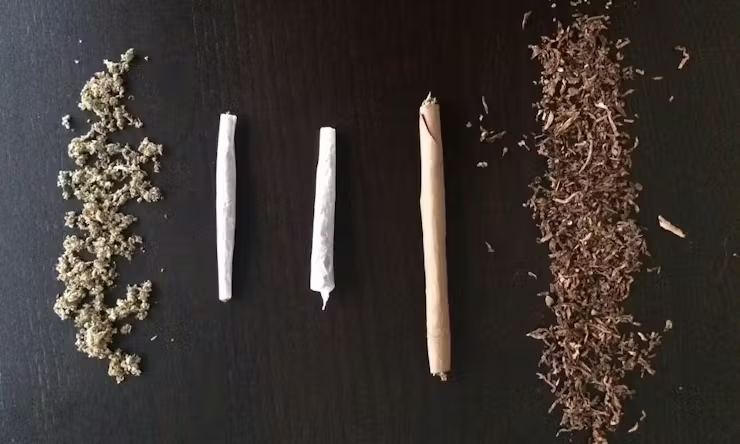
The joint and spliff distinction confuses many cannabis consumers, especially those new to smoking culture or traveling between regions with different preferences. Add blunts to the mix and the terminology gets even more complex. While all three involve rolling cannabis for smoking, they differ fundamentally in composition, rolling materials, and effects—differences that significantly impact the experience.
Understanding what separates these three popular consumption methods helps you make informed choices about which suits your preferences, communicate clearly when sharing with others, and navigate cannabis culture across different regions and communities. This comprehensive guide examines everything that distinguishes joints, spliffs, and blunts.
Defining Joint and Spliff and Blunts
The three rolls have distinct characteristics based on cannabis content, tobacco presence, and rolling materials.
Quick Reference Table
| Feature | Joints | Spliffs | Blunts |
|---|---|---|---|
| Contains Cannabis | Yes | Yes | Yes |
| Contains Tobacco | No | Yes (mixed in) | Yes (wrap only) |
| Uses Rolling Papers | Yes | Yes | No |
| Uses Tobacco Wraps | No | No | Yes |
Key Distinctions
Material Composition:
- Joints contain only cannabis
- Spliffs contain cannabis mixed with tobacco
- Blunts contain cannabis (usually) wrapped in tobacco
Wrapping:
- Joints and spliffs use rolling papers
- Blunts use tobacco wraps or emptied cigar/cigarillo wraps
Size:
- Joints vary but are often smaller
- Spliffs similar to joints
- Blunts typically larger and last longer
What is a Joint?
Perhaps the most iconic cannabis consumption method worldwide.
Basic Composition
Cannabis Only:
The defining characteristic—joints contain exclusively cannabis flower. No tobacco, no other additives, just ground weed.
Rolling Papers:
Thin papers made from various materials wrap the cannabis. Papers come in multiple sizes, materials, and even flavors.
Paper Types and Sizes
Common Sizes:
- Singles: Small, personal-sized
- 1 ¼: Standard size, very popular
- 1 ½: Slightly larger
- Wide: Broader surface area
- King: Long papers for substantial rolls
- Slims/Thins: Ultra-thin for minimal paper taste
Materials:
- Hemp: Natural, burns evenly, slightly thicker
- Rice: Very thin, slow burn, minimal taste
- Wood pulp: Traditional, readily available
- Flax: Alternative natural fiber
- Transparent cellulose: Novelty clear papers
Flavors:
Some papers come infused with flavors—grape, cherry, chocolate, etc. Purists avoid flavored papers, preferring to taste only cannabis.
The Crutch/Filter
Most joints include a crutch (also called filter or tip) at the drawing end.
Purpose:
- Adds structural stability
- Allows smoking to the end without burning fingers
- Prevents loose cannabis from entering your mouth
- Provides something to hold
Materials:
Typically made from rolled cardboard, though glass and wooden tips exist.
Note:
Cannabis “filters” don’t filter anything like cigarette filters. They’re simply structural tips.
Characteristics
Portability:
Small, easy to carry, convenient to spark anywhere.
Sharing:
Traditional puff-puff-pass culture makes joints social.
Flavor:
Tastes purely of cannabis (and slightly of paper).
Burn Time:
Varies by size—usually 5-15 minutes.
What is a Spliff
Common in Europe, less so in North America.
Basic Composition
Cannabis Plus Tobacco:
The defining feature—spliffs contain cannabis mixed with tobacco inside rolling papers.
Ratio Variation:
Consumers adjust the cannabis-to-tobacco ratio based on preference:
- Heavy cannabis, light tobacco (mostly weed)
- Equal parts cannabis and tobacco
- Heavy tobacco, light cannabis (mostly tobacco)
Why Mix Tobacco?
Makes Cannabis Go Further:
Stretching limited weed supplies with tobacco extends how many spliffs you can roll.
Modifies Effects:
Tobacco adds nicotine’s energetic, buzzy effects to cannabis’s high.
Burn Characteristics:
Tobacco helps joints burn more evenly and stay lit.
Cultural Tradition:
In many regions, this is simply how cannabis is smoked—the standard method.
Rolling Papers
Same as Joints:
Spliffs use identical rolling papers to joints—same sizes, materials, and brands.
Crutches:
Like joints, spliffs typically include crutches/filters.
Characteristics
Flavor:
Cannabis taste mixed with tobacco. Some find this appealing; others feel tobacco ruins weed’s flavor.
Effects:
Combined cannabis high with nicotine buzz. More energetic than pure cannabis.
Harshness:
Can be harsher on throat and lungs than pure cannabis joints.
Discretion:
Smell more like cigarettes than pure joints—can be more discreet in public.
What is a Blunt?
The cigar-inspired cannabis roll.
Basic Composition
Cannabis in Tobacco Wrap:
Blunts wrap cannabis (typically without additional tobacco inside) in tobacco leaf wraps or emptied cigar/cigarillo papers.
The Wrap:
- Cigar wraps (sold specifically for rolling)
- Emptied cigarillos (like Swisher Sweets, Phillies, Dutch Masters)
- Tobacco leaf sheets
- Blunt wraps (sold in convenience stores and head shops)
How Blunts Are Made
Method 1: Pre-Made Wraps
Purchase wraps in 1 or 2-packs, add cannabis, roll and seal.
Method 2: Gutting Cigars
- Purchase inexpensive cigarillo
- Carefully split or unwrap it
- Empty tobacco filling
- Fill with cannabis
- Re-roll and seal (often with saliva or honey)
Flavored Wraps
Common Flavors:
- Grape
- Strawberry
- Mango
- Vanilla
- Chocolate
- Honey
- Many more
Controversy:
Some cannabis enthusiasts dislike flavored wraps, feeling they mask strain flavors. Others specifically seek certain wrap flavors.
Characteristics
Size:
Typically larger than joints—more cannabis, longer sessions.
Burn Time:
Can last 20-45 minutes depending on size.
Effects:
Tobacco wrap adds nicotine buzz to cannabis high. The buzz is noticeable but less intense than spliffs (where tobacco is throughout).
Harshness:
Can be harsh due to tobacco wrap and often large amount of smoke.
Cultural Associations:
Strongly associated with hip-hop culture and certain regions (particularly urban US).
Rolling Papers vs Wraps
Material choice significantly impacts the smoking experience.
Rolling Papers
Thickness:
- Thick papers: Slower burn, more durable, easier for beginners
- Thin papers: Faster burn, less paper taste, more delicate
Taste Impact:
Thicker papers add more paper flavor; thins allow more cannabis taste to shine.
Burn Rate:
Affects how quickly the joint consumes. Preference varies individually.
Ease of Rolling:
Beginners often find thicker papers more forgiving. Experienced rollers can handle ultra-thins.
Blunt Wraps
Material:
Made from tobacco leaf or tobacco-infused paper. Always contains some tobacco.
Thickness:
Generally thicker and more durable than rolling papers.
Taste:
Always adds tobacco flavor. Flavored wraps add additional taste profiles.
Moisture:
Wraps often need slight moisture to remain pliable during rolling.
Sealing:
Use saliva or other moisture to seal. Some wraps have adhesive strips.
Choosing Materials
For Pure Cannabis Taste:
Thin, unflavored rolling papers (rice or hemp).
For Easy Rolling:
Thicker papers or wraps that are more forgiving of imperfect technique.
For Flavored Experience:
Flavored papers or wraps (blunt wraps have more flavor options).
For Larger Capacity:
Blunt wraps hold significantly more cannabis than standard rolling papers.
Comparing Cannabis and Tobacco Content
Understanding what you’re actually smoking matters.
Cannabis Content
Joints:
Pure cannabis—typically 0.5-1 gram depending on size.
Spliffs:
Variable—anywhere from 0.3-0.8 grams cannabis mixed with tobacco. Ratio depends on personal preference.
Blunts:
Usually 1-2+ grams pure cannabis (though some add tobacco inside as well).
Tobacco Exposure
Joints:
Zero tobacco content. Pure cannabis experience.
Spliffs:
Significant tobacco mixed throughout. Can be:
- Light tobacco (20-30% of mix)
- Moderate tobacco (40-50% of mix)
- Heavy tobacco (60%+ of mix)
Amount of nicotine exposure varies with ratio.
Blunts:
Tobacco only in the wrap. Less nicotine than spliffs but still present. Absorbed through smoke.
Health Considerations
Tobacco Risks:
All tobacco carries health risks:
- Addictive nicotine
- Carcinogens
- Cardiovascular effects
- Respiratory irritation
Blunts Have Moderate Tobacco:
Only the wrap contains tobacco—less than spliffs but more than joints.
Joints Avoid Tobacco:
No tobacco means avoiding these specific risks (though smoking anything carries respiratory risks).
Pros and Cons of Each Method
Each smoking method has advantages and drawbacks.
Joints
Pros:
✅ Pure cannabis taste—no tobacco interference
✅ No nicotine or tobacco-related risks
✅ Small and portable—easy to carry and conceal
✅ Quick to smoke—5-15 minutes typically
✅ Easy to share in groups
✅ Can put out and save for later
Cons:
❌ Requires rolling skill (though pre-rolls solve this)
❌ Not very discreet—cannabis smell obvious
❌ Papers can affect flavor
❌ May not stay lit as reliably as tobacco-mixed rolls
Spliffs
Pros:
✅ Tobacco helps cannabis burn evenly
✅ Stretches limited cannabis supplies
✅ Nicotine adds energetic buzz to high
✅ Burns more reliably than pure cannabis
✅ More discreet smell (more like cigarettes)
✅ Portable and easy to share
Cons:
❌ Tobacco ruins pure cannabis taste for many
❌ Nicotine is addictive
❌ Tobacco health risks
❌ Can be harsh on throat and lungs
❌ Combined effects may be too intense for some
❌ Not suitable for non-tobacco users
Blunts
Pros:
✅ Large capacity—holds lots of cannabis
✅ Long-lasting session (20-45 minutes)
✅ Tobacco wrap adds slight buzz without overwhelming
✅ Portability and ease of sharing
✅ Flavored wrap options
✅ Cultural cachet in certain communities
Cons:
❌ Tobacco wrap carries health risks
❌ Can be harsh due to size and tobacco
❌ Flavoring may mask cannabis terpenes
❌ Takes longer to consume—commitment
❌ Requires more cannabis than joints
❌ Rolling technique can be challenging
Global Preferences and Cultural Differences
Geography significantly influences which method dominates.
European Preferences
Spliffs Dominate:
In most of Europe, “joint” typically means what Americans call a spliff—cannabis mixed with tobacco.
Cultural Reasons:
- Historical hash consumption (hash works better with tobacco)
- Tobacco smoking rates higher in Europe
- Cannabis often more expensive—tobacco stretches supplies
- Traditional methods passed down
Pure Joints:
Seen as wasteful or unusual in many European contexts. “Why smoke it pure?”
American Preferences
Joints and Blunts Dominate:
In the US, joints mean pure cannabis. Spliffs are less common.
Regional Variations:
- Urban areas: Blunts very popular, especially in hip-hop influenced communities
- West Coast: Joints highly popular
- Various regions: Different preferences
Anti-Tobacco Sentiment:
Growing awareness of tobacco harms makes many American cannabis consumers avoid it entirely.
Other Global Patterns
Canada:
Similar to US—mostly joints and blunts, fewer spliffs.
Australia/New Zealand:
Mixed bag—both European-influenced spliffs and American-style joints.
Latin America:
Varies by country and region.
Asia/Africa:
Traditional methods vary widely; colonial influences affect contemporary practices.
Communication Implications
Traveling Smokers:
Be aware that “joint” means different things in different places. Specify “pure” or “with tobacco” to avoid confusion.
International Groups:
When smoking with people from various regions, clarify what everyone expects before rolling.
How to Choose the Right Method
Personal preferences and circumstances determine best options.
Choose Joints If You:
- Want pure cannabis flavor
- Avoid tobacco for health reasons
- Prefer smaller, quicker sessions
- Value portability and discretion
- Smoke solo or in small groups
- Want the most traditional cannabis experience
Choose Spliffs If You:
- Enjoy tobacco and nicotine effects
- Want to stretch limited cannabis
- Prefer European-style consumption
- Like energetic, buzzy combined effects
- Find them easier to keep lit
- Want slightly more discreet smell
Choose Blunts If You:
- Enjoy longer smoking sessions
- Have cannabis to spare
- Like tobacco’s slight buzz but not mixed throughout
- Appreciate larger capacity
- Enjoy flavored wraps
- Smoke in groups that prefer blunts
Situation-Dependent
Solo Consumption:
Joints work great—perfect amount for one person.
Group Sessions:
Blunts last longer and hold more, making them social favorites.
Limited Supply:
Spliffs stretch cannabis further.
Avoiding Tobacco:
Joints are the only tobacco-free option.
Outdoor Activities:
Joints’ portability and quick consumption work well.
Frequently Asked Questions
What is the difference between a joint and a spliff?
The difference between a joint and a spliff is tobacco content. A joint contains only cannabis rolled in rolling papers with no tobacco. A spliff contains cannabis mixed with tobacco inside rolling papers. Both use the same papers and may include crutches, but spliffs add nicotine’s energetic buzz to the cannabis high and help the roll burn more evenly. Joints offer pure cannabis flavor, while spliffs taste of both cannabis and tobacco. Spliffs are standard in Europe, while joints dominate in North America.
Do blunts contain cannabis or tobacco?
Blunts contain cannabis wrapped in tobacco leaf papers or wraps. The filling is typically pure cannabis (1-2+ grams), but the wrap itself is made from tobacco, so nicotine is present. Some people also mix tobacco into the cannabis filling, though this is less common. The tobacco wrap adds a slight buzz to the cannabis high and contributes to the blunt’s flavor. Blunts are larger than joints and last longer (20-45 minutes typically), making them popular for group sessions.
What are the pros and cons of smoking joints?
Pros of smoking joints include pure cannabis taste without tobacco interference, no nicotine or tobacco health risks, portability and convenience, easy sharing, quick smoking sessions (5-15 minutes), and ability to save for later. Cons include requiring rolling skill for hand-rolled versions, obvious cannabis smell that’s not very discreet, paper affecting flavor slightly, and potentially less reliable burning than tobacco-mixed rolls. Joints are ideal for those avoiding tobacco and preferring pure cannabis experiences.
Why do people mix tobacco in spliffs?
People mix tobacco in spliffs for several reasons: it helps cannabis burn more evenly and stay lit, stretches limited weed supplies further, adds nicotine’s energetic buzz to the cannabis high, creates more discreet cigarette-like smell, and represents cultural tradition in regions where this is standard practice. In Europe especially, spliffs are the norm rather than exception. The tobacco-cannabis ratio varies by preference—some use mostly cannabis with light tobacco, others reverse the ratio. However, this introduces tobacco health risks and nicotine addiction potential.
Which is better for beginners: joints, spliffs, or blunts?
For beginners, joints are generally best. They offer pure cannabis effects without tobacco complications, come in smaller sizes for manageable doses, and don’t introduce nicotine addiction risks. Beginners can also buy pre-rolled joints to avoid rolling challenges. Spliffs add tobacco’s effects which can be too intense for new users and carry addiction risks. Blunts are very large (1-2+ grams) which is excessive for beginners and can cause overwhelming experiences. Start with a small joint, take 1-2 puffs, wait 10 minutes to assess effects, and proceed cautiously.
What rolling papers are best for joints and spliffs?
Best rolling papers depend on priorities. For pure cannabis taste, choose thin rice or hemp papers like RAW, Elements, or OCB. For easy rolling (beginners), thicker papers like Zig-Zag or Top are more forgiving. For slow burn, look for thicker papers or those specifically marketed as slow-burning. Common sizes include 1 ¼ (standard), king size (larger), and wide (broader). Both joints and spliffs use the same papers—choice depends on personal preference for thickness, material, size, and whether you want flavored options.
Tags
joint and spliff, cannabis rolling, blunt wraps, rolling papers, smoking methods, tobacco and cannabis, spliff vs joint, blunt rolling, cannabis consumption, smoking guide