
Cannabis Education, Strain Guides
What is Pinene and What Does This Cannabis Terpene Do?
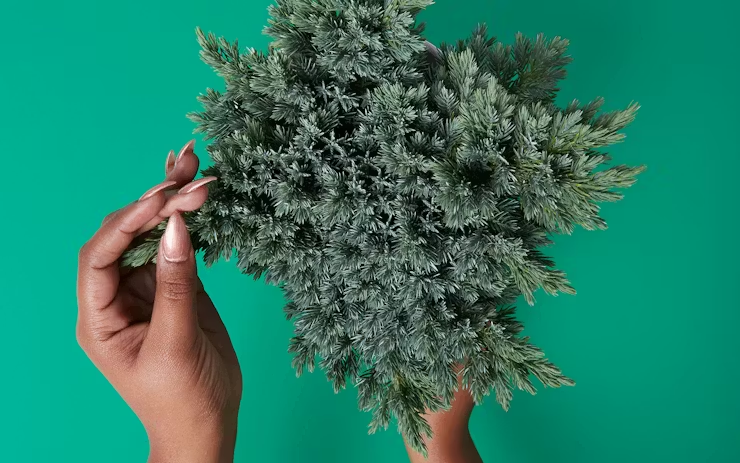
Pinene terpene effects represent some of the most therapeutically promising properties found in cannabis aromatics. This compound, which smells distinctly like a forest of pine trees, offers far more than pleasant fragrance—it may provide anti-inflammatory benefits, support respiratory function, reduce anxiety, and even counteract certain unwanted effects of THC.
Understanding how this terpene works helps consumers select strains that deliver specific therapeutic outcomes. Whether you’re seeking relief from inflammation, respiratory support, or simply exploring the science behind cannabis aromas, this comprehensive guide examines everything you need to know about one of nature’s most abundant and medicinally interesting terpenes.
What is Pinene Terpene?
Pinene is an aromatic compound commonly found in cannabis that produces the fresh, sharp scent of pine trees and conifer forests.
Chemical Structure
Like other terpenes, pinene is an organic compound produced by plants as part of their essential oil profile. It belongs to the monoterpene class, characterized by a specific molecular structure containing ten carbon atoms.
The compound exists in two structural forms (isomers):
- Alpha-pinene (α-pinene): Most common form in cannabis
- Beta-pinene (β-pinene): Also present but typically in lower concentrations
Both forms smell similar but have slightly different properties and effects.
Production in Cannabis
Cannabis produces pinene in trichomes—the crystalline resin glands covering flowers and surrounding leaves. These same structures synthesize cannabinoids like THC and CBD, which explains the intimate connection between terpene and cannabinoid production.
Historical Context
Terpenes like pinene originally evolved as adaptive protection against predators. The strong pine scent deters certain insects and animals while attracting beneficial pollinators. For humans, these protective compounds offer potential therapeutic benefits.
Where Pinene is Found in Nature
This compound appears abundantly throughout the plant kingdom.
Natural Sources
Conifer Trees:
Pine, fir, spruce, and other evergreen trees produce high concentrations. The compound literally takes its name from pine trees (genus Pinus).
Citrus Fruits:
Orange peels contain significant amounts, contributing to their fresh, bright aroma.
Herbs and Spices:
- Rosemary
- Dill
- Basil
- Parsley
- Sage
Other Plants:
- Turpentine (distilled from pine resin)
- Many flowering plants
- Various tree species beyond conifers
Everyday Exposure
Most people encounter pinene regularly through:
- Forest air (especially pine forests)
- Cooking herbs
- Citrus consumption
- Cleaning products containing pine oil
- Aromatherapy products
This widespread occurrence demonstrates both the compound’s safety and its importance across ecosystems.
Types of Pinene: Alpha and Beta
The two isomers have distinct characteristics.
Alpha-Pinene (α-pinene)
Characteristics:
- Most abundant pinene form in cannabis
- Sharp pine scent
- More volatile than beta-pinene
- Evaporates at lower temperatures
Aroma:
Strong pine, sharp, fresh, reminiscent of pine needles and resin
Effects:
Associated with alertness, memory retention, and bronchodilation
Beta-Pinene (β-pinene)
Characteristics:
- Less common in cannabis than alpha form
- Also smells piney but slightly different
- Less volatile than alpha-pinene
- Different molecular arrangement
Aroma:
Pine-like but more woody, less sharp than alpha-pinene, sometimes described as spicy
Effects:
Similar to alpha-pinene but may have distinct anti-inflammatory properties
Cannabis Contains Both
Most cannabis plants produce both forms, though alpha-pinene typically dominates. The ratio varies by strain, growing conditions, and genetics.
Lab testing can distinguish between the two forms, providing detailed terpene profiles that show exact concentrations of each isomer.
Pinene Terpene Effects and Benefits
Research suggests this compound produces various therapeutic effects.
Anti-Inflammatory Properties
One of the most studied benefits involves inflammation reduction.
Mechanism:
The compound appears to reduce inflammatory markers and modulate immune responses. Studies show it decreases production of inflammatory cytokines—proteins that signal and amplify inflammatory processes.
Applications:
- Arthritis
- Inflammatory bowel conditions
- General inflammation-related pain
- Chronic inflammatory conditions
Bronchodilation
Pinene may help open airways, making breathing easier.
Mechanism:
The compound appears to relax smooth muscle tissue in bronchial passages, allowing improved airflow.
Applications:
- Asthma support
- Respiratory congestion
- Exercise-induced bronchoconstriction
- General respiratory function
Important Note:
While pinene may support respiratory function, smoking anything introduces irritants. Vaporizing or other consumption methods would be preferable for respiratory benefits.
Anti-Anxiety Effects
Research indicates potential anxiolytic (anxiety-reducing) properties.
Mechanism:
The compound may modulate neurotransmitter systems involved in stress and anxiety responses, though exact mechanisms remain under investigation.
Applications:
- Generalized anxiety
- Stress reduction
- Panic symptoms
- Situational anxiety
Pain Relief
Anti-inflammatory and other properties may contribute to pain reduction.
Applications:
- Inflammatory pain
- Neuropathic pain
- Headaches
- General discomfort
Memory Protection
Perhaps most intriguingly, pinene may help combat short-term memory impairment associated with THC consumption.
Mechanism:
The compound appears to inhibit acetylcholinesterase, an enzyme that breaks down acetylcholine—a neurotransmitter crucial for memory formation.
Practical Application:
Strains high in pinene might produce less memory impairment than those dominated by other terpenes. This could make pinene-rich varieties preferable for consumers concerned about cognitive effects.
Alpha-Pinene Terpene Effects
The alpha isomer specifically shows distinct properties.
Alertness and Focus
Alpha-pinene appears to promote mental clarity and alertness rather than sedation.
Subjective Reports:
Consumers describe feeling:
- Mentally sharp
- Focused and attentive
- Energized but not jittery
- Clear-headed
Mechanism:
The acetylcholinesterase inhibition may contribute to these cognitive benefits beyond just memory protection.
Respiratory Benefits
The bronchodilating effects appear particularly pronounced with alpha-pinene.
Traditional Use:
Many cultures have used pine-scented remedies for respiratory complaints. Modern research validates some of these traditional applications.
Anti-Microbial Properties
Studies demonstrate effectiveness against various bacteria and fungi.
Applications:
- Potential infection prevention
- Antimicrobial activity
- May support immune function
Neuroprotective Potential
Emerging research suggests possible neuroprotective effects that could be relevant for neurodegenerative conditions, though this remains early-stage investigation.
Beta-Pinene Terpene Effects
The beta isomer has its own distinct profile.
Anti-Inflammatory Activity
While both forms reduce inflammation, beta-pinene may be particularly effective.
Research:
Studies specifically examining beta-pinene show strong anti-inflammatory effects, sometimes exceeding those of the alpha form.
Antioxidant Properties
The compound demonstrates antioxidant activity, potentially protecting cells from oxidative stress.
Applications:
- Cellular health
- Aging processes
- Protection against oxidative damage
Complementary to Alpha-Pinene
The two isomers appear to work synergistically, with combined presence potentially offering greater benefits than either alone.
High-Pinene Cannabis Strains
Finding pinene-rich varieties requires understanding which strains typically express elevated levels.
Important Caveat
Terpene abundance depends heavily on environmental factors. Even strains known for pinene can vary widely across:
- Different growers
- Various batches from the same grower
- Growing conditions and techniques
- Curing and storage methods
Lab testing remains the only reliable way to confirm pinene content.
Commonly High-Pinene Strains
Based on data from laboratory testing, these strains tend to produce elevated pinene levels:
Big Smooth
- Rare example of pinene-dominant profile
- Unusual for cannabis (most strains are myrcene-dominant)
- Demonstrates that unique terpene expressions exist
Blue Dream
- Popular hybrid often high in pinene
- Balanced effects
- Wide availability
Cannatonic
- High-CBD strain
- Often shows significant pinene
- Therapeutic focus
Cotton Candy Kush
- Sweet aroma with pine notes
- Moderate pinene levels
God’s Gift
- Indica-dominant hybrid
- Pine and citrus aromatics
- Relaxing effects with pinene benefits
Grape Ape
- Fruity with pine undertones
- Often contains notable pinene
Harlequin
- High-CBD variety
- Typically shows pinene presence
- Medical applications
Kosher Tangie
- Citrus-forward with pine notes
- Energizing effects
- Good pinene expression
Remedy
- CBD-rich strain
- Pine-heavy aroma
- Therapeutic applications
Terpene Dominance Patterns
Most cannabis strains express high levels of myrcene, caryophyllene, limonene, or terpinolene as their dominant terpene. Pinene frequently appears as the second or third most abundant terpene rather than the primary one.
Big Smooth represents a rare exception—a truly pinene-dominant profile. This demonstrates that unique terpene expressions exist and breeders can select for specific terpene dominance.
Finding Pinene-Rich Products
Ask Budtenders:
Request lab-tested products with terpene breakdowns showing pinene content.
Check Lab Results:
Many dispensaries provide certificates of analysis (COAs) showing detailed cannabinoid and terpene profiles.
Smell Test:
While not definitive, strong pine aromas suggest pinene presence. However, other compounds can create similar scents, so lab testing remains essential for certainty.
How Pinene Works with Cannabinoids
The entourage effect describes how cannabis compounds interact synergistically.
Modifying THC Effects
Pinene may influence how THC affects the brain and body:
Memory Protection:
By inhibiting acetylcholinesterase, pinene potentially counteracts THC’s short-term memory impairment. This could make pinene-rich strains preferable for consumers concerned about cognitive effects.
Alertness:
While THC can produce sedation (especially with myrcene), pinene’s alertness-promoting properties may create more energizing experiences.
Anxiety Modulation:
Pinene’s anxiolytic effects might help prevent THC-induced anxiety in sensitive individuals.
Enhancing CBD Benefits
When combined with CBD, pinene may:
- Amplify anti-inflammatory effects
- Support anxiety reduction
- Enhance respiratory benefits
- Create more complete therapeutic profiles
Interacting with Other Terpenes
Cannabis contains multiple terpenes that work together:
Pinene + Limonene:
Both promote alertness and mood elevation, potentially creating uplifting, focused experiences.
Pinene + Myrcene:
These opposite-effect terpenes may balance each other—myrcene’s sedation moderated by pinene’s alertness.
Pinene + Caryophyllene:
Both anti-inflammatory, potentially offering enhanced pain relief.
Pinene + Linalool:
Anxiety reduction from both compounds may provide strong anxiolytic effects.
Research and Therapeutic Applications
Scientific understanding continues evolving.
Current Research
Anti-Inflammatory Studies:
Multiple investigations confirm pinene’s ability to reduce inflammation through various pathways. This validates traditional uses and suggests modern therapeutic applications.
Respiratory Research:
Studies examining bronchodilation support the use of pinene-containing products for respiratory support, though delivery method matters significantly.
Neuroprotection:
Early-stage research explores potential applications for neurodegenerative diseases. While promising, this remains far from clinical application.
Cancer Research:
Some studies examine anti-tumor properties, though this research is very preliminary and shouldn’t influence treatment decisions without medical guidance.
Limitations and Unknowns
Dosing Questions:
Optimal therapeutic doses remain unclear. Cannabis consumption delivers relatively small amounts compared to isolated terpene supplements.
Mechanism Uncertainties:
How exactly pinene produces its effects isn’t fully understood. Does it work through olfactory stimulation, direct cellular effects, metabolites, or combination mechanisms?
Individual Variation:
People respond differently to terpenes based on genetics, health status, and other factors.
Long-Term Effects:
Safety of prolonged high-dose exposure hasn’t been thoroughly studied, though traditional uses suggest general safety.
Future Directions
Targeted Breeding:
Understanding terpene effects allows breeders to develop strains optimized for specific applications—high-pinene varieties for respiratory support or cognitive clarity, for example.
Pharmaceutical Development:
Standardized products with specific cannabinoid-terpene ratios could provide consistent therapeutic effects.
Combination Therapies:
Pinene might enhance other medications or therapies, though careful research is needed given potential interactions.
Frequently Asked Questions
What are pinene terpene effects in cannabis?
Pinene terpene effects in cannabis include anti-inflammatory properties that reduce pain and swelling, bronchodilation that helps open airways and ease breathing, anti-anxiety effects that promote calm and reduce stress, pain relief through multiple mechanisms, and potential memory protection against THC-induced short-term impairment. The compound also promotes mental alertness and focus rather than sedation. Effects combine with cannabinoids through the entourage effect, where compounds work synergistically to create experiences greater than individual components alone.
What are beta pinene terpene effects?
Beta pinene terpene effects include particularly strong anti-inflammatory activity that may exceed alpha-pinene in some applications, antioxidant properties that protect cells from oxidative stress, and complementary benefits when combined with alpha-pinene. The beta isomer has a slightly different molecular structure than alpha-pinene, resulting in distinct but overlapping properties. Both forms appear in cannabis, with alpha-pinene typically more abundant. The two isomers work synergistically, suggesting whole-plant products containing both may offer greater benefits than isolated compounds.
What are alpha-pinene terpene effects?
Alpha-pinene terpene effects include enhanced alertness and mental clarity, bronchodilation that supports respiratory function, anti-microbial properties effective against bacteria and fungi, memory protection through acetylcholinesterase inhibition, and potential neuroprotective benefits. This isomer is the most abundant pinene form in cannabis and produces the sharp pine scent associated with fresh pine needles. Consumers report feeling focused, energized, and clear-headed with alpha-pinene-rich strains. The compound may counteract THC’s memory impairment, making pinene-dominant varieties preferable for those concerned about cognitive effects.
Which cannabis strains are high in pinene?
Cannabis strains high in pinene include Big Smooth (rare pinene-dominant profile), Blue Dream, Cannatonic, Cotton Candy Kush, God’s Gift, Grape Ape, Harlequin, Kosher Tangie, and Remedy. However, terpene levels vary significantly across harvests depending on genetics, growing conditions, and curing processes. Lab testing is the only reliable way to confirm pinene content. Most strains show pinene as the second or third most abundant terpene rather than dominant. Big Smooth demonstrates that truly pinene-dominant profiles exist, though they’re uncommon.
How does pinene help with breathing and respiratory issues?
Pinene helps with breathing through bronchodilation—relaxing smooth muscle tissue in airways to allow improved airflow. This property makes it potentially beneficial for asthma, respiratory congestion, exercise-induced bronchoconstriction, and general respiratory function. However, smoking introduces irritants that counteract benefits, so vaporizing or other consumption methods are preferable for respiratory support. Traditional remedies have used pine-scented preparations for respiratory complaints, and modern research validates some of these applications. The compound also has anti-microbial properties that may support respiratory health.
Can pinene counteract THC memory impairment?
Pinene may counteract THC memory impairment through acetylcholinesterase inhibition. This enzyme breaks down acetylcholine, a neurotransmitter crucial for memory formation. By inhibiting this enzyme, pinene potentially protects memory function even in the presence of THC. This suggests strains high in pinene might produce less memory impairment than varieties dominated by other terpenes. However, research is limited and individual responses vary. Consumers concerned about cognitive effects may prefer pinene-rich strains, though memory protection isn’t guaranteed and depends on multiple factors including dose and individual biochemistry.