
Cannabis Education, Strain Guides
What is Limonene and What Does This Cannabis Terpene Do?
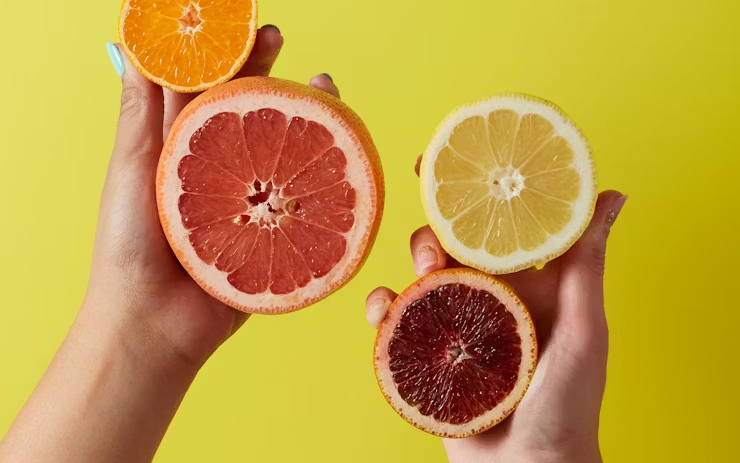
Limonene terpene stands as one of cannabis’s most recognizable aromatic compounds, delivering the bright citrus scents associated with lemon-scented strains while potentially offering significant therapeutic benefits. This fragrant oil, secreted in the flower’s resin glands alongside cannabinoids like THC and CBD, does far more than simply determine a strain’s smell—it may fundamentally modify effects and contribute to various health applications.
Understanding this particular compound helps consumers make informed strain selections based on desired experiences and potential therapeutic outcomes. Whether you’re seeking mood elevation, stress relief, or simply exploring the science behind cannabis aromas, this comprehensive guide covers everything you need to know about one of nature’s most versatile terpenes.
What is Limonene Terpene?
Limonene terpene is an aromatic compound produced in cannabis flower resin glands, characterized by distinctive fruity, citrus aromas reminiscent of lemon, orange, and other citrus fruits.
Chemical Classification
Limonene belongs to a class of organic compounds called terpenes—fragrant oils that give plants their characteristic scents. In chemical terms, it’s a cyclic monoterpene, meaning it contains a specific ring-shaped molecular structure.
The compound exists in two forms (enantiomers):
- D-limonene: Most common form, right-handed molecule
- L-limonene: Less common, left-handed molecule, smells more like pine
Cannabis predominantly produces d-limonene, the version associated with citrus aromas.
Production in Cannabis
The plant synthesizes this compound in trichomes—the crystalline, resin-producing glands covering cannabis flowers and surrounding leaves. These same structures produce cannabinoids, which explains why terpene and cannabinoid production are intimately connected.
Production levels vary dramatically based on:
- Genetics: Some strains naturally produce more
- Growing conditions: Light, temperature, and nutrients affect production
- Harvest timing: Terpene levels peak at specific maturity points
- Curing process: Proper drying and curing preserve terpenes
Concentration in Cannabis
While THC typically comprises 10-30% of flower’s dry weight, limonene occurs in trace amounts—generally less than 2% of total composition.
This might seem insignificant, but even at low concentrations, terpenes profoundly influence the cannabis experience through the entourage effect, where compounds work synergistically to create effects greater than individual components alone.
Where Limonene is Found
This aromatic compound appears far beyond cannabis.
Natural Sources
Citrus Fruits:
The most obvious source—lemon, orange, lime, and grapefruit rinds contain high concentrations. The compound is literally named after lemons (Citrus limon).
Other Plants:
- Juniper
- Peppermint
- Rosemary
- Pine needles (contains different enantiomer)
Everyday Products
Due to its pleasant aroma and useful properties, manufacturers incorporate it into numerous consumer products:
Cosmetics and Personal Care:
- Perfumes and colognes
- Shampoos and conditioners
- Soaps and body washes
- Lotions and creams
Cleaning Products:
- Household cleaners
- Degreasers
- Air fresheners
- Furniture polish
Food and Beverages:
- Flavoring agent
- Food additive
- Beverage enhancement
The compound’s widespread use demonstrates both its safety profile and versatility.
Limonene Terpene Effects on Mind and Body
Research suggests this compound produces various effects, though much remains to be understood about mechanisms and optimal dosing.
Mental and Emotional Effects
Elevated Mood
One of the most studied effects involves mood improvement. Research indicates the compound may influence neurotransmitter systems associated with emotional regulation.
Animal studies show inhalation increases serotonin and dopamine levels in brain regions linked to anxiety, depression, and obsessive-compulsive disorder. While human research is limited, these findings suggest potential antidepressant and anxiolytic properties.
Stress Relief
Many consumers report stress reduction when consuming citrus-scented cannabis. Whether this results from the terpene itself, cannabinoid interactions, or simply pleasant aroma associations remains unclear, but subjective experiences consistently report calming effects.
Mental Clarity
Unlike some terpenes associated with sedation, this compound appears to support alertness and focus. Consumers often describe feeling mentally sharp and engaged rather than foggy or confused.
Physical Effects
Anti-Inflammatory Properties
Laboratory research demonstrates significant anti-inflammatory activity. The compound appears to reduce inflammatory markers and may help with conditions characterized by excessive inflammation.
Antifungal and Antibacterial
Studies show effectiveness against various fungal and bacterial species. This partially explains its inclusion in cleaning products—it actually kills microorganisms rather than simply masking odors.
Digestive Benefits
Evidence suggests the compound may help relieve heartburn and gastric reflux. It appears to support healthy digestive function through multiple mechanisms.
Enhanced Absorption
One particularly interesting property: it may improve absorption of other compounds through skin, mucous membranes, and digestive tract. This could enhance delivery of both cannabinoids and other therapeutic agents.
D-Limonene Terpene Effects
The d-limonene enantiomer specifically shows promise in several therapeutic applications.
Anti-Tumor Research
The most exciting research involves potential anti-cancer properties.
Laboratory Studies:
In rodent models, d-limonene inhibited growth of skin and mammary tumors. These promising findings led to human clinical trials.
Human Clinical Trial:
A Phase I study found d-limonene somewhat effective at reducing breast cancer tumor growth for nearly a year in some participants.
Mechanism Studies:
Later research discovered that daily supplementation for 2-6 weeks silenced a protein promoting breast cancer tumor growth. This suggests regular consumption may inhibit tumor development and spread.
Other Cancer Types:
Additional reports reveal benefits in laboratory models of lung cancer and brain cancer, where the compound caused tumor cell death.
Important Caveats
These studies used very high doses—far beyond amounts present in cannabis alone. A few important points:
- Dosing: Therapeutic doses likely exceed what smoking or vaping provides
- Cannabis Uncertainty: Unknown whether cannabinoids enhance anti-cancer effects
- Not Treatment: Currently insufficient evidence to recommend cannabis products high in this terpene as cancer treatments
- Medical Supervision: Anyone with cancer should consult oncologists about evidence-based treatments
The research shows promise but requires much more investigation before clinical applications.
Health Benefits and Therapeutic Uses
Beyond anti-tumor potential, this compound offers various health applications.
Anxiety and Depression
The mood-elevating and stress-reducing properties make it potentially valuable for mental health support. The compound’s influence on serotonin and dopamine systems suggests mechanisms for these benefits.
Pain and Inflammation
Anti-inflammatory properties may help with:
- Arthritis
- Inflammatory bowel conditions
- General inflammation-related discomfort
- Muscle and joint pain
Immune Support
Antibacterial and antifungal properties could support immune function, though more research is needed to confirm clinical relevance.
Skin Conditions
Topical applications may benefit:
- Acne (antibacterial properties)
- Fungal infections
- Inflammatory skin conditions
- Wound healing
Digestive Health
The compound’s effects on gastric function may help:
- Heartburn
- Acid reflux
- General digestive discomfort
- Nausea
Limonene Terpene Strains
While many assume lemon-scented strains contain abundant amounts of this compound, lab testing reveals this isn’t always accurate.
Finding High-Limonene Strains
Lab Testing is Essential:
The only reliable way to know if your strain contains significant amounts is through lab-tested products. Aroma alone doesn’t guarantee high terpene levels—other compounds can create similar scents.
Common High-Limonene Strains:
While levels vary across harvests, these varieties often show elevated concentrations:
- Lemon Haze
- Super Lemon Haze
- Lemon Skunk
- Durban Poison
- OG Kush
- Sour Diesel
- Jack Herer
- Wedding Cake
- Do-Si-Dos
- Tangie
Variability Factors
Even within the same strain, levels fluctuate based on:
Genetics: Different phenotypes of the same strain produce varying amounts
Growing Techniques:
- Light intensity and spectrum
- Temperature and humidity
- Nutrient regimens
- Stress factors
Curing Processes:
- Drying speed and conditions
- Cure duration and environment
- Storage after curing
Harvest Timing:
- Trichome maturity at harvest
- Environmental conditions during final weeks
This variability explains why lab testing matters—you can’t assume strain name guarantees specific terpene profiles.
How Limonene Works in Cannabis
Understanding mechanisms helps explain effects.
The Entourage Effect
Cannabis compounds work synergistically. Cannabinoids, terpenes, and flavonoids interact to create experiences greater than any single compound produces alone.
This compound may:
- Modify THC’s psychoactive effects
- Enhance CBD’s therapeutic properties
- Interact with other terpenes for unique profiles
- Influence how cannabinoids absorb and metabolize
Brain and Body Targets
Unlike some terpenes with well-defined targets (linalool affects GABA receptors, beta-caryophyllene binds CB2 receptors), this compound’s specific targets remain unclear.
Possible Mechanisms:
Olfactory System: Does merely smelling it trigger brain responses, or does it directly affect neurons?
Neurotransmitter Systems: The serotonin and dopamine increases suggest direct neurological action
Absorption Enhancement: Its ability to increase permeability of membranes may influence how other compounds reach target tissues
Anti-Inflammatory Pathways: The compound appears to modulate inflammatory signaling cascades
Future Research Directions
Better understanding these mechanisms will help:
- Optimize strains for specific therapeutic goals
- Determine ideal cannabinoid-terpene ratios
- Develop targeted medical cannabis products
- Predict which patients benefit most from limonene-rich varieties
Difference Between Limonene and Other Terpenes
Cannabis produces over 100 different terpenes. How does this one compare?
Limonene vs. Myrcene
Myrcene:
- Most common cannabis terpene
- Earthy, musky, herbal aroma
- Associated with sedation and relaxation
- “Couch-lock” effects
Limonene:
- Second or third most common
- Citrus, fruity, fresh aroma
- Associated with energy and alertness
- Uplifting effects
Limonene vs. Linalool
Linalool:
- Floral, lavender-like aroma
- Calming, sedative properties
- Targets GABA receptors
- Anxiolytic effects
Limonene:
- Citrus aroma
- Energizing, uplifting properties
- Targets unclear
- Mood-elevating effects
Limonene vs. Caryophyllene
Caryophyllene:
- Spicy, peppery aroma
- Binds CB2 cannabinoid receptors
- Anti-inflammatory
- No psychoactive effects alone
Limonene:
- Citrus aroma
- Targets unclear
- Anti-inflammatory
- May enhance psychoactive effects
Terpene Profiles
Most strains contain multiple terpenes. Profiles might include:
- Dominant terpene (highest concentration)
- Secondary terpenes (moderate levels)
- Trace terpenes (minimal amounts)
Strains with limonene as the dominant terpene are less common than myrcene-dominant varieties, but they exist and offer distinctive experiences.
Research and Future Applications
Scientific understanding continues evolving.
Current Research Limitations
Dosing Uncertainty:
Most studies use isolated terpenes at high doses. We don’t know:
- Optimal therapeutic doses
- Whether cannabis consumption provides sufficient amounts
- How cannabinoids modify terpene effects
- Long-term safety of high-dose supplementation
Mechanism Questions:
How exactly does it work in the brain and body? Does it:
- Merely stimulate olfactory systems?
- Directly affect neurons and other cells?
- Work through metabolites rather than the compound itself?
- Require other compounds for full effects?
Promising Directions
Targeted Strain Development:
As we better understand how terpenes influence effects, breeders can develop strains optimized for specific purposes—high-limonene varieties for mood disorders, for example.
Medical Cannabis Products:
Pharmaceutical-grade products with standardized cannabinoid-terpene ratios could provide consistent therapeutic effects.
Combination Therapies:
The compound’s ability to enhance absorption suggests potential in combination with other medications, though this requires careful research given drug interaction possibilities.
Cancer Research:
If anti-tumor effects translate to clinical applications, this could represent significant therapeutic advancement.
Frequently Asked Questions
What is limonene terpene and what does it do?
Limonene terpene is an aromatic compound found in cannabis and citrus fruits that produces characteristic lemon and orange scents. It potentially offers multiple therapeutic benefits including mood elevation, stress relief, anti-inflammatory effects, antibacterial and antifungal properties, and may help with heartburn and gastric reflux. Research suggests it increases serotonin and dopamine in brain regions associated with anxiety and depression. The compound also enhances absorption of other substances through skin and digestive tract.
What are limonene terpene effects in cannabis?
Limonene terpene effects in cannabis include elevated mood, mental clarity, stress reduction, and energizing sensations rather than sedation. Physical effects involve anti-inflammatory properties, potential digestive benefits, and immune support through antibacterial and antifungal activity. The compound may enhance the overall cannabis experience through the entourage effect, where it interacts with cannabinoids and other terpenes. Effects vary based on concentration, consumption method, and individual biochemistry. Most consumers report uplifting, focused experiences with limonene-dominant strains.
What are d-limonene terpene effects and health benefits?
D-limonene terpene effects include potential anti-tumor properties demonstrated in laboratory and early human studies. Research shows it may inhibit breast, lung, skin, and brain cancer cell growth, though high doses are required. Other d-limonene benefits include anti-inflammatory activity, mood improvement through serotonin and dopamine modulation, antibacterial and antifungal properties, digestive support for heartburn and reflux, and enhanced absorption of other therapeutic compounds. Current evidence is promising but insufficient to recommend cannabis as cancer treatment.
Which cannabis strains are high in limonene terpene?
Cannabis strains high in limonene terpene include Super Lemon Haze, Lemon Skunk, Durban Poison, OG Kush, Sour Diesel, Jack Herer, Wedding Cake, Do-Si-Dos, and Tangie. However, terpene levels vary significantly across harvests depending on genetics, growing techniques, and curing processes. The only reliable way to confirm high limonene content is through lab-tested products. Strain names and lemon scents don’t guarantee elevated levels, as other compounds can create similar aromas.
What are the benefits of limonene terpene in cannabis?
Benefits of limonene terpene include mood enhancement and stress relief through serotonin and dopamine increases, anti-inflammatory properties for pain and swelling, antibacterial and antifungal activity supporting immune health, digestive support for heartburn and reflux, potential anti-tumor effects in laboratory studies, enhanced mental clarity and focus, and improved absorption of cannabinoids and other compounds. The terpene contributes to the entourage effect, where cannabis components work synergistically. Benefits appear most pronounced when combined with appropriate cannabinoid profiles.
How does limonene terpene affect the cannabis experience?
Limonene terpene affects the cannabis experience by promoting uplifting, energizing effects rather than sedation. It may enhance THC’s psychoactive properties while adding mood elevation and mental clarity. The compound contributes citrus flavours and aromas that many consumers find pleasant and refreshing. Through the entourage effect, it interacts with cannabinoids and other terpenes to create unique strain-specific experiences. Limonene-dominant strains typically feel more suitable for daytime use, social situations, and activities requiring focus compared to myrcene-dominant sedating varieties.